

Prague to Gradually Tighten Taxi Regulations: From 2030 Only Fully Electric or Hydrogen-Powered Vehicles
Background to the planned tightening is a problematic development in the taxi sector that has persisted for years
Foto: Lexi Anderson | Unsplash
The Czech capital is planning a comprehensive tightening of technical and emissions-related requirements for taxis. By revising the existing rules, the city is responding to an increasingly ageing vehicle fleet, a sharp rise in the number of taxis, and deteriorating air quality in Prague.
According to the current plans, taxi operators will in future only be permitted to offer their services within the city under clearly defined conditions. From 1 August 2027, only vehicles that meet at least the EURO 6d emissions standard will be approved. From 1 January 2030, taxis will then be allowed to operate exclusively with fully electric or hydrogen propulsion. The city is deliberately opting for a phased introduction in order to give companies sufficient time to renew their vehicle fleets.
As explained by Prague’s Deputy Mayor for Transport, Jaromír Beránek, taxis in Prague cover an average of 250 to 300 kilometres per day. Vehicles operated via platforms such as Uber, Bolt or Wolt sometimes log more than double that distance. “Even a newly purchased combustion-engine car today would, on average, have more than 350,000 kilometres on the clock within four years and would therefore reach the end of its service life,” Beránek said.
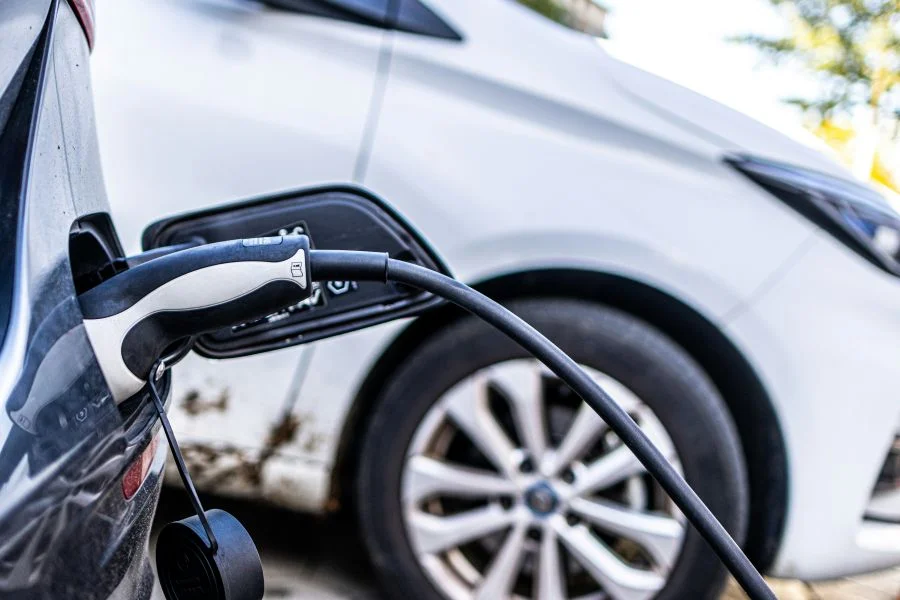
Foto: Marek Studzinski | Unsplash
The background to the planned tightening is a long-standing problematic trend in the taxi sector. The average age of Prague’s taxis is now over ten years, while the number of vehicles meeting the EURO 4 and EURO 5 emissions standards continues to rise. In addition, the number of registered taxis has increased from fewer than 3,000 in 2017 to more than 16,000 in 2024. Since taxis cover significantly more kilometres in urban traffic than private cars, their contribution to air pollution is correspondingly high.
According to the city, the aim is not to restrict the taxi industry, but to improve its quality as a public service and to reduce health burdens for the population.
The city administration assumes that the availability of taxis will remain guaranteed despite potential additional costs. These extra costs are expected to amount to only a few Czech crowns per kilometre and, given the highly competitive Prague market, would not necessarily have to be fully passed on to passengers in the form of higher fares.
In order to provide sufficient charging infrastructure by 2030, around 4,000 to 4,500 conventional charging points as well as 150 to 200 fast and ultra-fast charging stations are planned. This is intended to enable the charging of up to 120,000 electric vehicles. The expansion is to be jointly financed by the city, private investors and taxi operators.
The new technical requirements form part of a broader package of measures aimed at more stringent regulation of the taxi sector. This also includes stricter requirements for drivers, expanded reporting obligations for digital platforms, and improved enforcement of existing rules.