
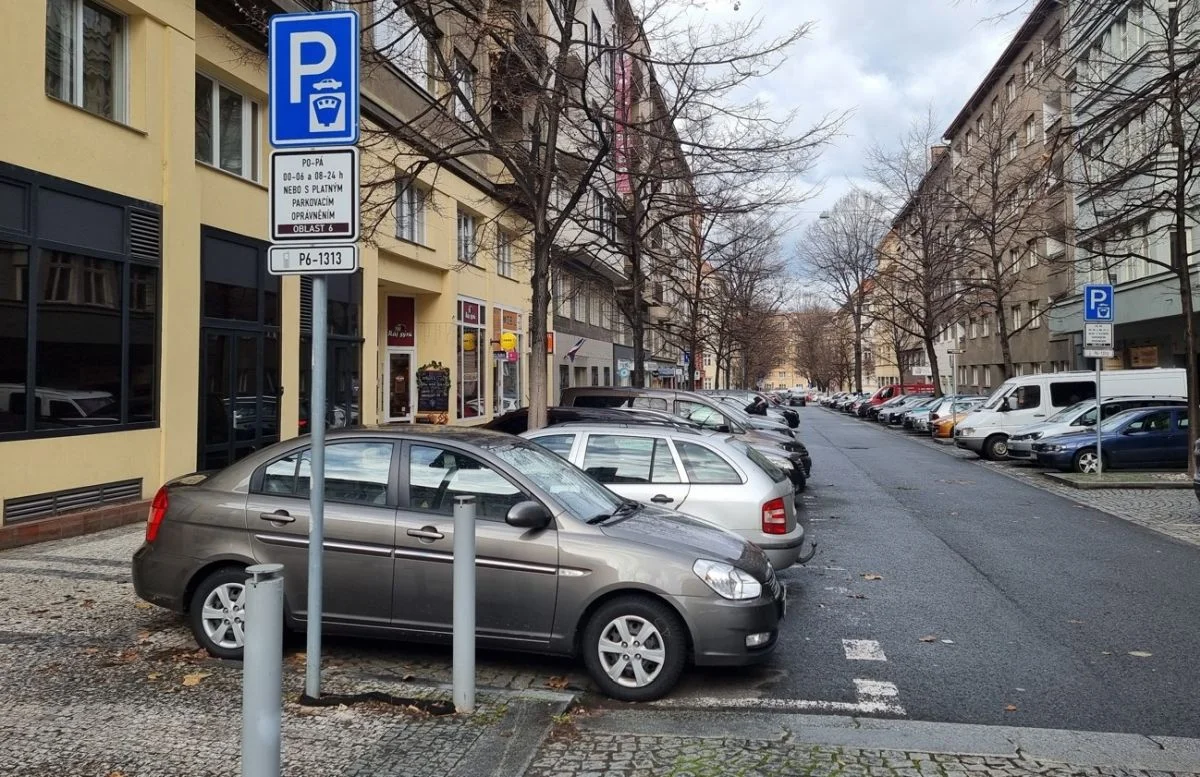
Prague Introduces City-Wide Parking Permit for Emission-Free Vehicles
In addition, around 1,500 new public charging points for electric vehicles are planned across the city
Foto: Portál hlavního města Prahy
Prague is introducing a new city-wide parking permit for emission-free vehicles. At the same time, the city is investing in the expansion of charging infrastructure, with around 1,500 new public charging points planned by 2027.
The City of Prague is launching a new city-wide parking permit for emission-free vehicles. The annual permit costs 24,000 Czech crowns and can be paid either quarterly or for the full year. Eligible applicants include all residents registered in Prague, as well as companies based in districts where comprehensive parking zones apply.
Under the new regulations, emission-free vehicles will be allowed to park in all paid parking zones within the capital. The new permit complements both short-term visitor parking and long-term resident parking. For the latter, drivers of electric vehicles can continue to claim a 50 per cent discount from 1 January 2026. The revised parking fees come into effect on 1 March 2026.
According to the city, this step aligns with Prague’s strategic objectives, particularly the Sustainable Mobility Plan and the city’s Climate Plan up to 2030. “We are establishing a uniform system that clearly sets out the conditions under which emission-free vehicles may park throughout Prague – within the limits allowed by current legislation,” explained Deputy Mayor for Transport Jaromír Beránek.
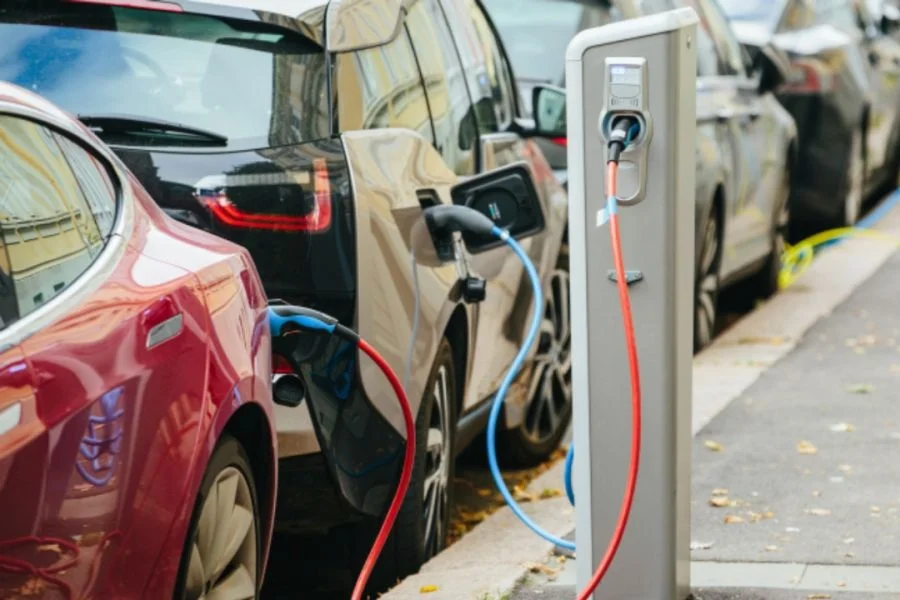
Foto: Smart Prague
Prague Approves Expansion of 1,500 Public Charging Points for Electric Vehicles
Alongside the new parking regulations for emission-free vehicles, the City of Prague has also approved a major project to expand public charging stations by around 1,500 new points. The total investment amounts to 493 million Czech crowns and will be predominantly funded through the European “Transport 2021–2027” programme.
The new charging points, with a capacity of up to 22 kW, are scheduled to be installed across the city in 2026 and 2027. The aim is to create a comprehensive and reliable charging infrastructure for the growing number of electric vehicles directly in urban areas – for instance, in residential estates or on public P+R car parks.
All charging stations will be publicly accessible around the clock and offer modern payment options, including card payment via QR code, chip cards, and roaming solutions. Additionally, an intelligent load management system will prevent overloading the power grid and distribute available capacity according to the needs of connected vehicles and the available network capacity.